 »Home
»Why Stryrophobia
»Eco Store & Fair Trade
»Our Community
»Conscious Living Guide
»About Us
 | 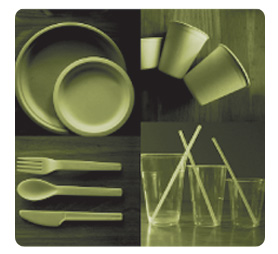 | ECO STORE & FAIR TRADE Sustainable and equitable products, including biodegradables for everyday consumption choices. Fair trade and environmental products which minimize social & economic inequalities and reduce the impact of our consumption on the environment. Biodegradables Raising awareness of compostable disposables made from readily renewable resources like sugarcane, corn & potato and bringing to market a range of compostable & biodegradable food service disposable and packaging products for use in companies, school cafeterias, and restaurants. 64 billion paper and 73 billion foam & plastic cups and plates were thrown away in 2003 in the U.S Some Facts on Disposables - Paper: 970 thousand tons of paper cups and plates (64 billion pieces) were thrown away in 2003 (EPA) in the U. S
- Foam and Plastic: 730 thousand tons of foam and plastic plates and cups (73 billion pieces) (710 thousand tons were Styrofoam (TM)) were disposed in 2003 (EPA).
- Plastic Containers: 190 billion plastic containers & bottles are being landfilled or incinerated every year. (EPA)
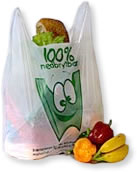
The above numbers do not include trash bags, grocery bags and other plastic materials like trays, utensils, clam shells, caps and other plastic packaging. Why Biodegradables? Plastic and foam disposables are made from petroleum based chemicals & additives. Petroleum is not only becoming an increasingly scarce resource, but it causes pollution and toxicity every step of its use - extraction, transportation, oil spills, refining and eventual production of the end use product. In addition, products made of foam and plastic do not degrade and persist in the environment for hundred of years, causing further pollution and toxicity. When exposed to heat, chemicals can leach into the food that it holds. Paper disposables are made from "virgin" wood fiber, which comes from our steadily depleting forests. Forests provide invaluable ecosystem services in maintaining biodiversity, streams, regulating climate and rainfall etc. It is quite amazing that even today, forests are cut down to be made into disposable paper products with a lifetime use of few minutes or seconds. Biodegradable and compostable food service and packaging disposables provide a sustainable alternative to the foam, plastic and paper products.
1) made from readily renewable sources like sugarcane fiber, corn and potato,
2) take less energy to manufacture,
3) not made from toxic or pollution causing sources
4) can be composted to reduce the amount of waste generated, helping to reduce waste collection bills.
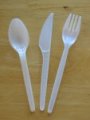
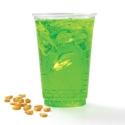
Do not leach toxic chemicals into the foods they hold Sugarcane fiber (bagasse) and Bioplastics Plastics made from corn, potato or other annually renewable sources and Bagasse made from sugarcane fiber, are the two main sources of biodegradable food service and packaging disposables. Fiber waste remaining after extraction of the juice from the sugarcane is molded at high pressure & temperature into plates, bowls, cups, take out containers, trays etc., while starch from corn, potato, tapioca, soybeans etc. is used to make products which are traditionally made from plastic and foam such as disposable eating utensils, bags, cold cups, drinking straws, etc We like to point out that, though using biodegradables is a step towards better environmental sustainability, it is not a solution to our throw-away culture. We strongly advocate using non-disposable products as much as possible and hope that counties and cities will pass regulations to tax use of disposable products and as well as their disposal to limit their use and disposal. | |